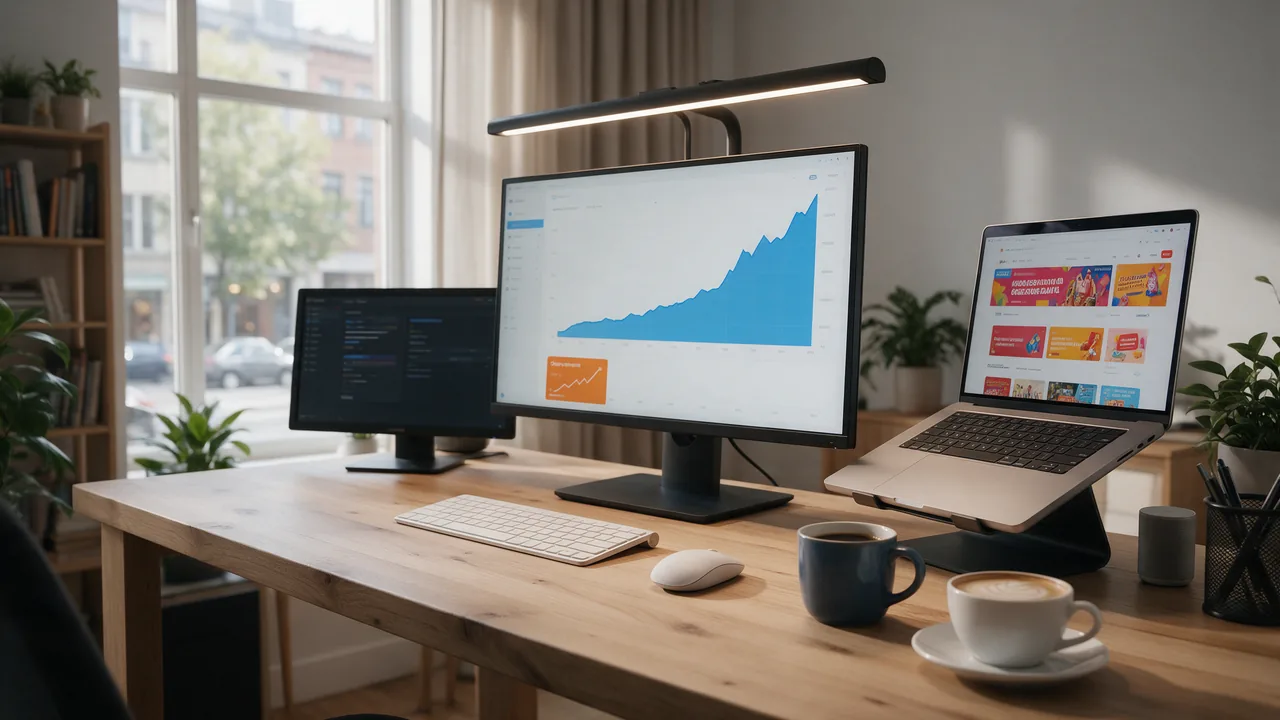
Short answer. A sale doubles or triples traffic within minutes, and that is exactly when stores fail — while every minute of downtime costs real orders. Peak prep: a short check interval (30 seconds), monitoring of the critical path (home → catalog → cart → checkout), a health endpoint that verifies dependencies, and instant alerts. The goal is to catch degradation before a shopper leaves for a competitor.
Why stores fail precisely at peak
On an ordinary day infrastructure runs with headroom and problems stay masked. Under sale load the bottlenecks surface: connection-pool exhaustion, a slow cache, payment-gateway limits. Degradation almost always begins with rising response time, not a sudden drop — so latency monitoring matters more than a simple up/down check.
If you are preparing a sale, treat monitoring as infrastructure, not an option. A monitor set up in advance costs less than one minute of peak-hour downtime.
The critical purchase path
Checking the homepage alone is not enough. A purchase is a chain, and any link can break:
- Home and catalog — storefront availability and response time.
- Product page — correct price and stock delivery.
- Cart — adding and recalculating without errors.
- Checkout and payment — payment-gateway availability and SSL on the payment page.
A health endpoint for the store
Add a service endpoint that under the hood verifies the store can actually accept an order: is the DB alive, does the PSP answer, is the queue overflowing. Example:
# Store health-check verifying key dependencies
curl -s -w "\nHTTP %{http_code} | %{time_total}s\n" \
  https://shop.example.com/health

# Expected JSON and code when ready to accept orders:
# {"db":"ok","payment":"ok","queue":"ok"}
# HTTP 200 | 0.118s
Add this URL to enterno.io as an HTTP monitor with an expected 200 code. If a dependency fails, the endpoint returns 503 — and you get an alert before the first complaint.
What to monitor at each step
| Path step | What to check | Problem signal |
|---|---|---|
| Home / catalog | Storefront HTTP code and response time | Rising latency, 5xx |
| Product page | Price and stock delivery | Timeout, empty response |
| Cart | Health endpoint with DB check | 503, recalculation errors |
| Checkout | Gateway availability and SSL | Expired cert, PSP unavailable |
Interval and multi-region at peak
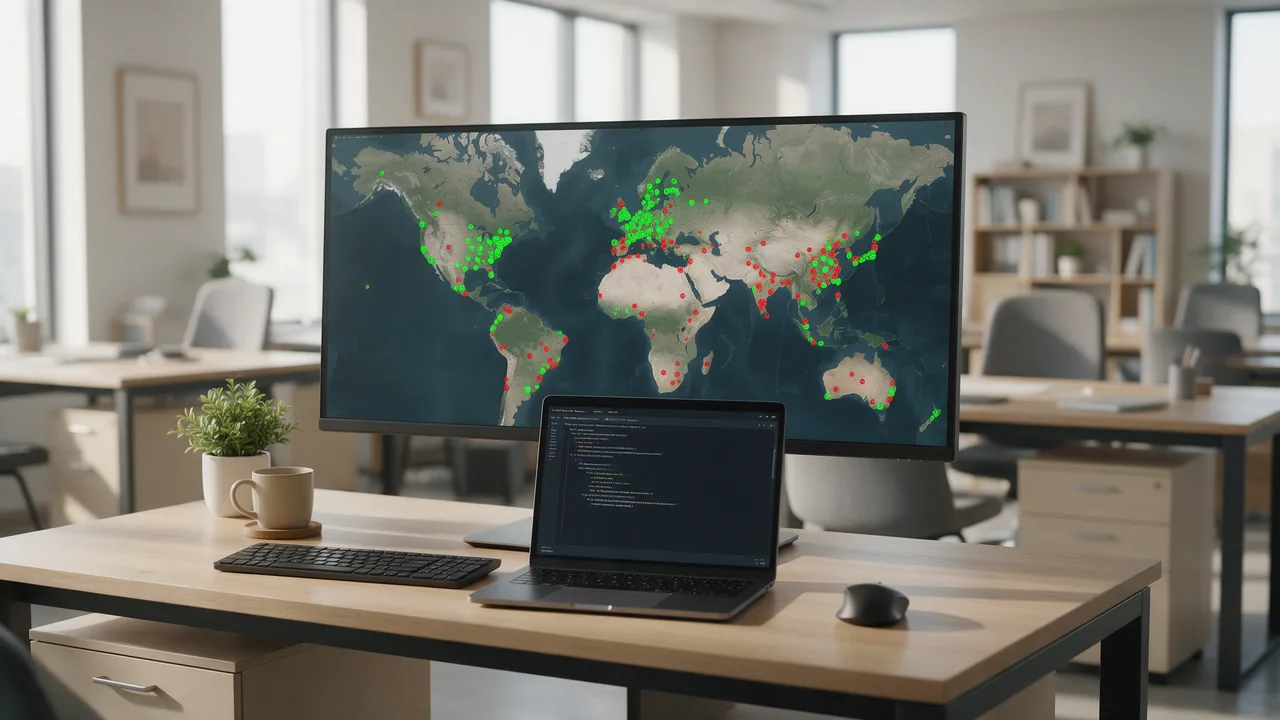
During a sale, seconds matter. The free plan offers a 5-minute interval — acceptable for background, but peak hour needs a 30-second interval on a paid plan. Multi-region checks (Russia, EU, US) help tell a local CDN problem apart from a real backend failure.
Alerts seen in time
- Telegram/Slack — for the on-call team in real time.
- PagerDuty — a phone call for critical payment monitors.
- Webhook — for automated actions (scaling, failover).
Tune the incident threshold so a single network glitch doesn't wake the whole team, while real degradation is recorded within seconds.
After the sale: the post-mortem
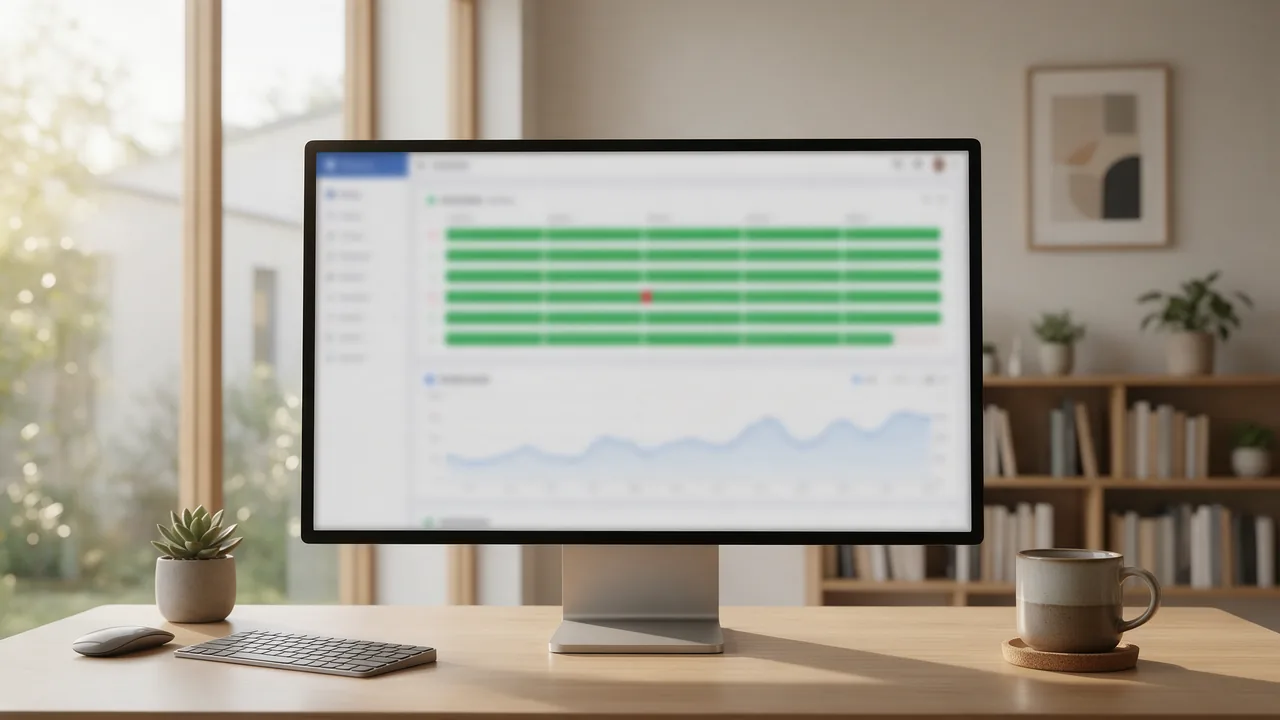
Incident history and response-time charts show exactly where the bottleneck was. That is the basis for the next peak: reinforce the cache, grow the connection pool, pre-warm the CDN.
FAQ
What interval is needed during a sale?
30 seconds for the critical checkout path. A 5-minute interval misses short but expensive incidents.
Is monitoring the homepage enough?
No. The homepage can respond while the cart or checkout is broken. Monitor the whole purchase path.
How do I catch degradation before a full outage?
Watch response time. Rising latency is an early signal that precedes 5xx errors.
Why a separate health endpoint?
It verifies real readiness to accept an order — DB, payment, queue — not just that the web server is alive.
Prepare monitoring before the sale on the uptime monitoring page. Useful: monitoring guide, multi-region monitoring, SSL control and a quick website check.