Short answer. For media and streaming, perceived quality is everything: buffering, slow player start and CDN unavailability in one region instantly hurt audience retention. Baseline monitoring: player API and manifest availability, SSL control, probes from multiple regions, and response-time tracking at peaks (premieres, live broadcasts). The goal is to see degradation through the viewer's eyes before they close the tab.
The nature of media load
Streaming is defined by sharp, predictable peaks: a series premiere or a live broadcast gathers an audience within minutes. Unlike steady traffic, here readiness for the exact moment matters most. The CDN, load balancers and manifest API must absorb the spike, and monitoring must catch the first signs of overload.
In media, "the service responds" is not enough. Viewers need video to start fast and not buffer — so response time and CDN availability are critical, not just an "up" status.
What to track in streaming
- Player API and manifests — endpoints serving HLS/DASH manifests and segments.
- CDN availability by region — a node can work in the EU and fail in Russia.
- Response time — rising manifest latency foreshadows buffering.
- SSL certificates — an expired cert blocks the player from loading in the browser.
- DNS — correct delegation of media CDN subdomains.
Monitoring objects and their priority
| Object | Check type | What we catch |
|---|---|---|
| Manifest API (HLS/DASH) | HTTP | Unavailability and rising latency |
| CDN by region | HTTP (multi-region) | Edge-node failure in one region |
| Media domain SSL | SSL | Cert expiry (14/3 days) |
| CDN subdomain DNS | DNS | Delegation errors |
| Viewer perception | RUM | Slow start, buffering |
Multi-region checks
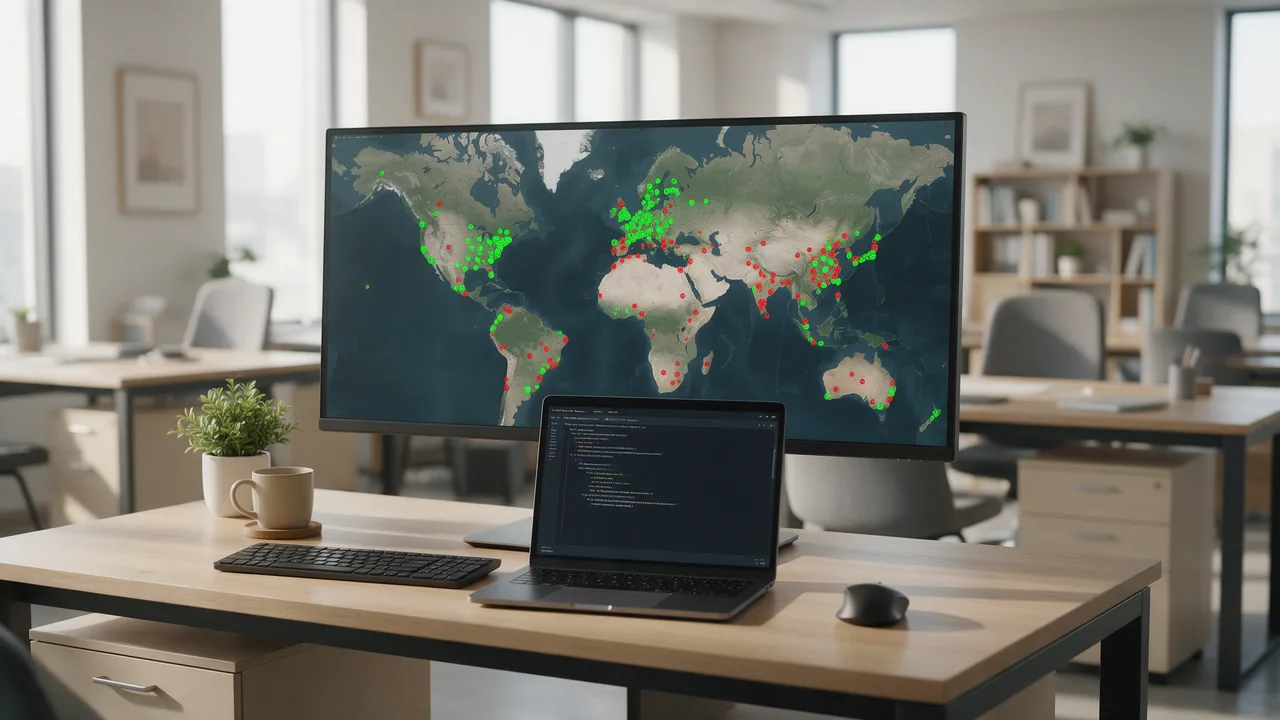
Viewer geography is a key factor for media. A single CDN edge problem is invisible from another region. enterno.io checks availability from Russia (ru-msk), Europe (eu-de) and the US (us-east). This reveals when a service is "down" for only part of the audience and focuses the response on the right region. The free plan covers the Russian region; paid plans unlock all three.
Short interval during premieres
On premiere and broadcast days, detection speed matters. The free plan's 5-minute interval suits background control, but at peak you should enable a 1-minute or 30-second interval on a paid plan. This shortens time-to-alert and gives an accurate degradation picture.
Alerts for the on-call shift
During a live broadcast the response must be instant. enterno.io delivers alerts to Telegram, Slack, email, webhook, PagerDuty and Jira. Route critical monitors (player availability) to PagerDuty with a phone call, and informational ones to a team Telegram.
Real metrics from viewers
Synthetic checks show availability but not the perceived quality for actual viewers. RUM (Real User Monitoring) helps here: collecting real Web Vitals from visitors shows how the service behaves on their devices and networks. The "synthetic + RUM" combination gives the full picture.
Public status page
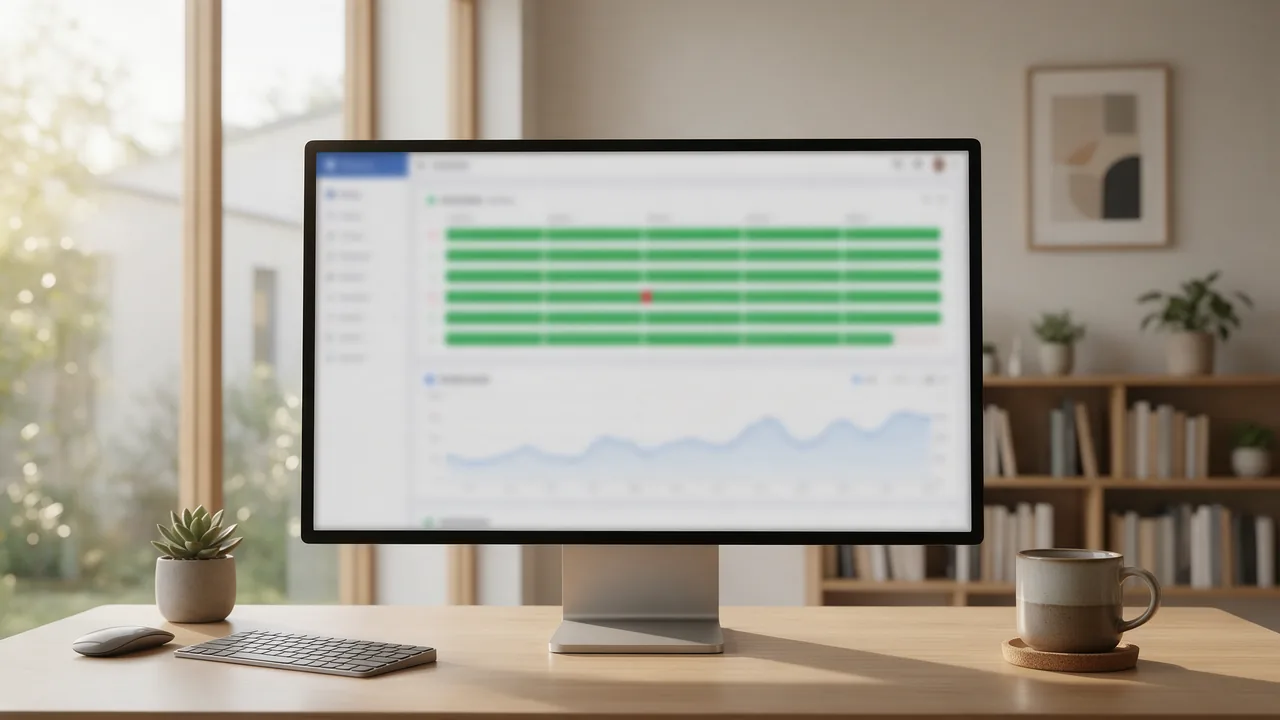
During a mass outage viewers head to social media and support. A public status page with live state and incident history reduces support load and preserves audience trust.
FAQ
Why does media need multi-region?
The audience is geographically distributed, and a single CDN edge failure is visible from only part of the regions. Probes from Russia, the EU and the US localize the problem.
What matters more — an "up" status or response time?
For media, response time. Viewers suffer at buffering, long before a full outage.
How does RUM complement synthetic monitoring?
RUM shows real viewer quality (Web Vitals), while synthetic shows steady availability from controlled points. Together they cover blind spots.
What interval is needed for a premiere?
30 seconds or 1 minute, to catch short overload spikes at the moment of mass connection.
Set up player and CDN availability monitoring on the uptime monitoring page, and watch real viewer metrics in RUM. Also: multi-region monitoring, the monitoring guide and the online SSL checker.