Short answer. For an agency, monitoring isn't for you — it's a service and an insurance policy in front of the client. Learn about an outage before the client does, give every project a branded status page, automate monitor creation via API, and send SLA reports. This turns "support when they call" into a proactive service worth a recurring fee.
The agency's core pain: the client finds out first
The worst scenario for an agency is the client calling: "my site is down, what did you break?" You look incompetent even if the failure is on the host's side. Monitoring flips this: you message the client first — "we caught a brief outage and are already on it." That's the sellable value.
A proactive "we're already fixing it" is worth more than a reactive "oh, let me check." Monitoring is a client-retention tool, not a line item.
What to monitor per client site
A standard set of checks to bundle into every project's maintenance:
- HTTP availability of the homepage and key pages (expect 200).
- SSL certificate — alert 14 and 3 days before expiry. A client's expired cert is your reputation.
- Response time — speed degradation often precedes a full outage.
- Domain / WHOIS — a reminder before domain registration expires.
- Cron / background jobs via heartbeat monitoring (dead man's switch).
Branded status pages per client
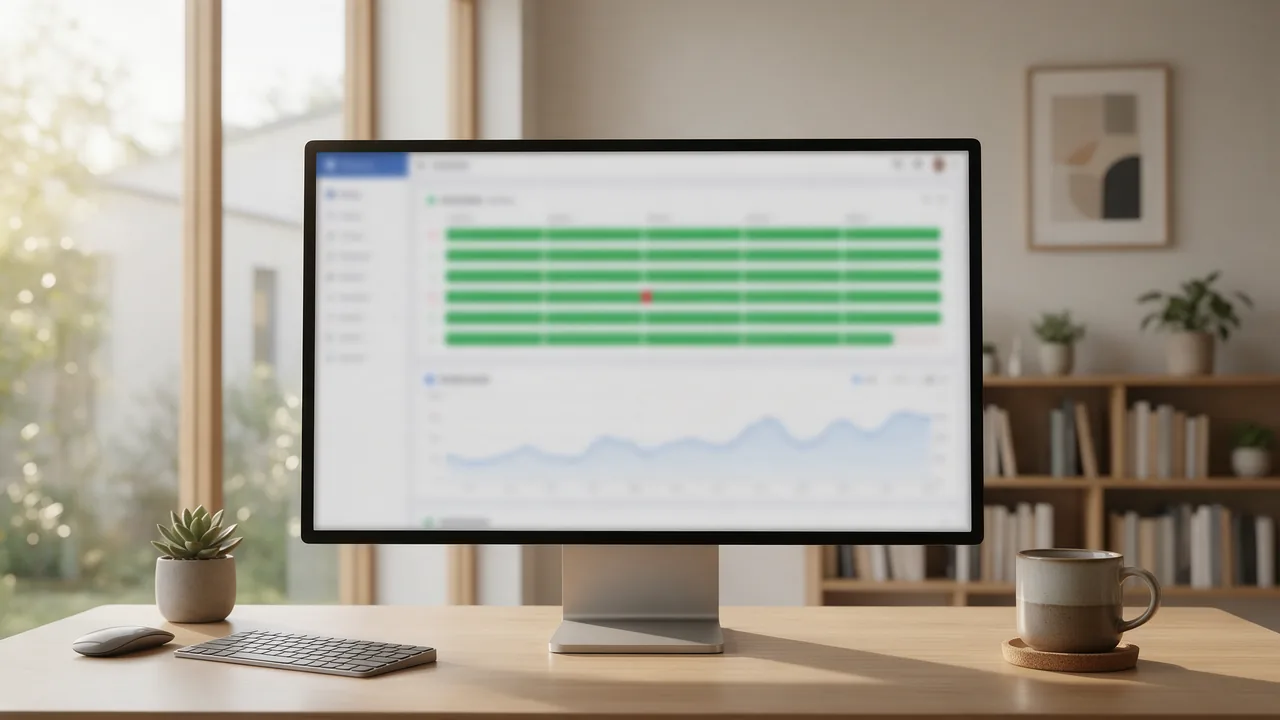
enterno.io provides public status pages, including on your own domain. For an agency there are two ways to use them:
| Scenario | Domain | Why |
|---|---|---|
| Internal agency dashboard | status.youragency.com | One screen for all client sites |
| Client-facing status page | status.client.com | Client shows uptime to their users |
A client-facing status page on their domain also quietly demonstrates that you watch their site 24/7.
Automation: create monitors via API
With 30+ clients, creating monitors by hand is a waste of time. enterno.io offers a REST API (and an MCP server for AI agents). When a new project launches, the monitor is created automatically from your deploy script.
Here's creating a monitor via the API in one command:
curl -X POST https://enterno.io/api/v4/monitors \
  -H "X-API-Key: $ENTERNO_API_KEY" \
  -H "Content-Type: application/json" \
  -d '{
    "url": "https://client-site.com",
    "check_type": "http",
    "interval_minutes": 1,
    "expected_code": 200,
    "notify_telegram": true
  }'
Wire this call into CI/CD and you guarantee that no deployed site is ever left unwatched.
Rule: the monitor is created in the same pipeline as the deploy. Then "we forgot to set up monitoring" becomes technically impossible.
Alerts routed per client
To avoid drowning in notifications, split your channels:
- Shared support Telegram chat — all incidents, for the on-call.
- Per-project webhook — critical clients escalating to PagerDuty.
- Client email (optional) — when the contract says the client wants alerts directly.
Tune the incident threshold and noise suppression — details in our alerting guide.
SLA reports as part of the service
Weekly or monthly, the client should see they're not paying for nothing. enterno.io generates uptime reports (PDF by email). Put a target SLA in the contract — say 99.9% — and send the client actual-vs-target. How to calculate SLA and translate percentages into downtime minutes is covered in our uptime SLA article.
Multi-region and scale
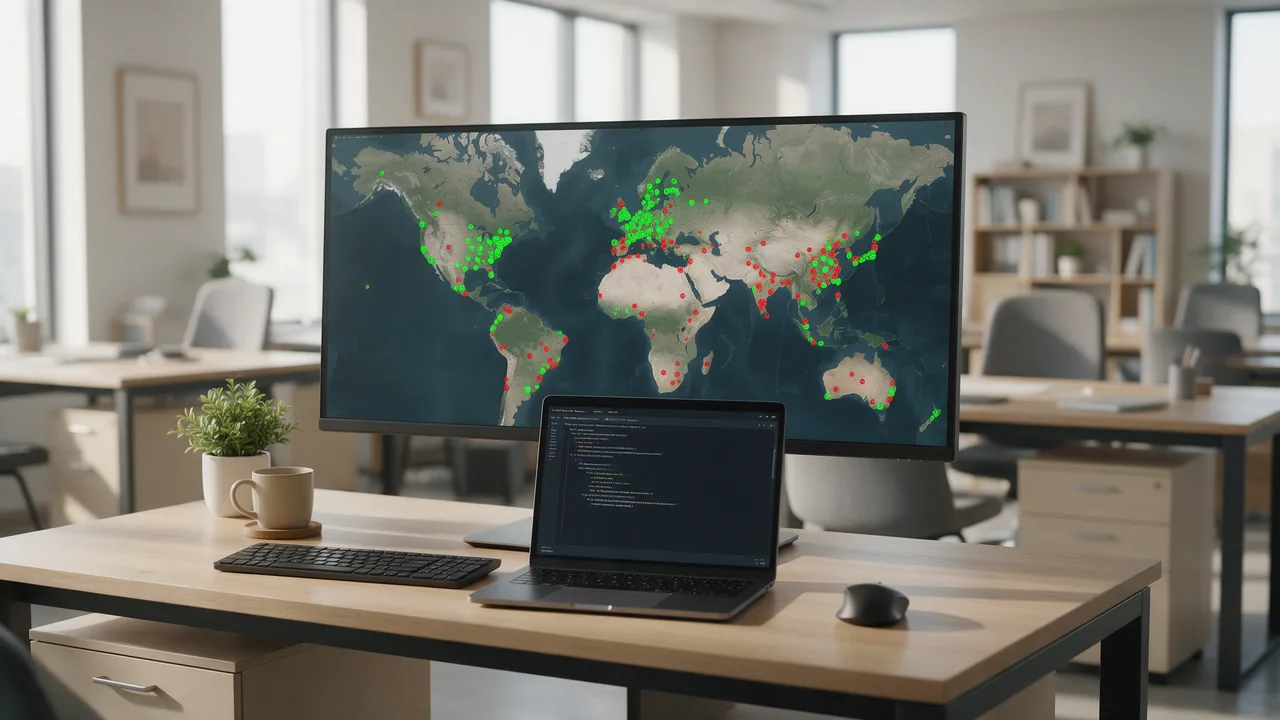
Checks from Russia, Europe, and the US catch regional CDN failures — a common issue for clients with international audiences. The free plan allows up to 10 monitors; for an agency with dozens of projects, Pro/Business plans lift the limits and give 1-minute / 30-second intervals.
FAQ
How many monitors does an agency need?
Budget 3–5 checks per client (HTTP + SSL + domain + key pages). For 20 clients that's roughly 60–100 monitors — a Pro or Business plan.
Can I give the client a status page on their own domain?
Yes, status pages support custom domains. The client sees uptime at status.their-site.com.
How do I avoid waking the on-call over every blip?
Raise the incident threshold to 2–3 consecutive failures and use multi-region checks — a real outage shows from several regions at once.
Is there a way to auto-create monitoring on deploy?
Yes. Call the REST API (or MCP server) from CI/CD — the monitor is created the moment a new site ships.
See also: the full website monitoring guide and SSL certificate monitoring.