
Articles & Guides
Useful resources for web developers and system administrators
 Domains
Connect a Custom Domain to Tilda: A Records, SSL, Mistakes
How to point your own domain at a website builder: which A and CNAME records you need, why the SSL certificate is not issued, what happens to email, and how to verify.
 Infrastructure
The .htaccess File: Redirects, Access and Caching
What .htaccess is, where the file lives and how it works: directive syntax, HTTPS and www redirects, IP and password access, caching headers and 500 error fixes.
 Infrastructure
Website Backup: What to Copy and How to Verify Restores
A complete website backup: files, database, configs, cron and certificates. The 3-2-1 rule, RPO and RTO, mysqldump flags, encryption, restic and restore testing.
 Infrastructure
VPS Initial Setup: The First 30 Minutes Before Deploy
Step-by-step VPS setup: LTS choice, sudo user, SSH keys, ufw and fail2ban, updates, swap, time sync, limits. Real commands and how to verify each step.
 SEO
SEO
Title and Meta Description Tags: How to Write and Check Them
How to write title and meta description tags: length in pixels, formulas and templates by page type, how to inspect yours and a competitor's, common mistakes.
 Security
SSH Key Authentication: Generate, Install, Disable Passwords
How to generate an ed25519 SSH key, install it on a server, fix 700/600 permissions, disable password login and debug Permission denied (publickey) errors.
 Infrastructure
Shared Hosting vs VPS vs Dedicated vs Cloud: What to Choose
How shared hosting, VPS, dedicated servers and cloud differ: resource isolation, limits, root access, control panels and the signs it is time to migrate.
 Monitoring
High Server Load: How to Find the Cause in 15 Minutes
High server load troubleshooting: find the cause in 15 minutes — CPU, memory, disk, inodes, I/O, network and processes. Real Linux commands and a triage table.
 SEO
SEO
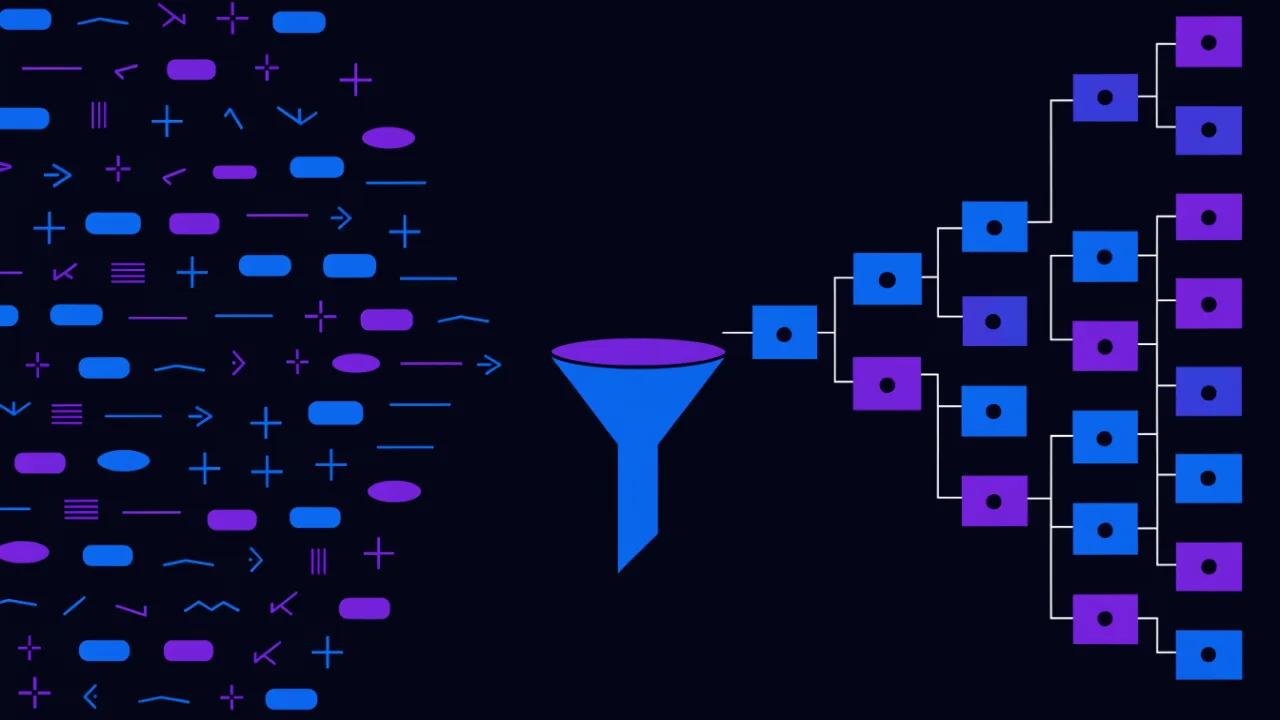
Semantic Core: From Keyword List to Site Structure
How to build a semantic core: seed sources, keyword operators, frequency types, cleanup, intent checks, clustering and mapping clusters to landing pages.
 Security
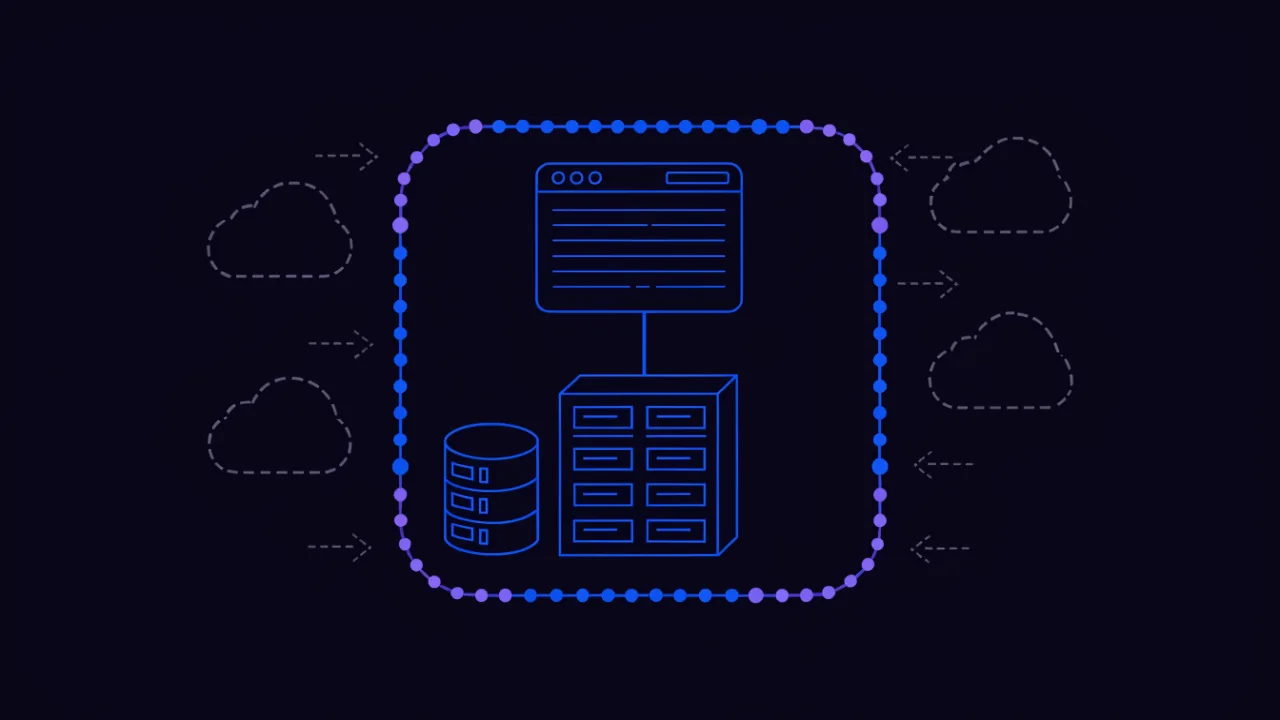
Hosting for Russian Users: Data Localisation Requirements
Why a Russian audience forces data residency: which sites must host locally, how the provider registry works, and how it compares with GDPR transfers.